

If your drip coffee tastes bitter or burnt, the most likely cause is too much extraction, coffee that is too dark or stale, excessive heat after brewing, or a dirty coffee maker. The fix is usually simple: use a slightly coarser grind, less coffee, fresh beans, clean water, and remove the pot from the hot plate soon after brewing.
In the United States, most home drip coffee makers use automatic heat and paper filters. That makes grind size, coffee freshness, water quality, and the warming plate especially important. A few small changes can turn harsh coffee into a smoother cup.

Source: viaguatemalacoffee.com
What Bitter and Burnt Coffee Taste Like
Bitter coffee often tastes sharp, dry, or harsh. It may leave a rough feeling on your tongue. Burnt coffee can taste smoky, ashy, or like charcoal.
These flavors are related, but they do not always have the same cause:
- Bitter taste: often comes from over-extraction.
- Burnt taste: often comes from dark roasting, stale coffee, or a hot plate that keeps heating the brewed coffee.
- Sour taste: often points to under-extraction, which means the water did not pull enough flavor from the grounds.
- Flat or dull taste: may come from old beans, poor water, or a dirty machine.
A coffee can have more than one problem. For example, very dark, stale coffee brewed with a fine grind may taste both bitter and burnt.
The Most Common Causes of Bitter Drip Coffee
1. The coffee grind is too fine
A fine grind gives water more surface area to touch. This can cause the water to pull too many bitter compounds from the coffee.
Most automatic drip makers work best with a medium grind. If you use coffee ground for espresso, Turkish coffee, or a very fine pour-over, the result may be harsh and slow to drain.
Try this: Move one step coarser on your grinder. Brew the same coffee again and compare the taste.
2. You are using too much coffee
Using too much coffee does not always make the cup stronger in a pleasant way. If the grounds are packed tightly in the filter, water may move slowly through them. This can increase extraction and produce a dry, bitter taste.
A useful starting point is about 55 grams of coffee per 1 liter of water, or roughly 1 gram of coffee for every 18 grams of water. This follows the ratio used in Specialty Coffee Association brewing guidance, though home brewers may prefer a slightly stronger or weaker cup.
For a typical 12-cup American coffee maker, check the manual before measuring. Coffee maker “cups” are often about 5 fluid ounces, not a full 8-ounce U.S. cup.
3. The coffee is too dark for your taste
Dark-roasted coffee has strong roast flavors. It can taste smoky, bitter, or bittersweet even when the brewing method is correct.
Dark roast is not automatically bad. It simply has less room for error if you dislike heavy roast flavors. A medium or light roast may taste sweeter and brighter.
Try this: Keep your brewing method the same and switch to a medium roast. If the harsh flavor improves, the roast level was a major factor.
4. The coffee beans are stale
Coffee loses aroma after roasting. As it ages, the cup may taste flat, papery, or harsh. Pre-ground coffee loses freshness faster because more of its surface touches air.
Buy whole beans when possible. Store them in an airtight container in a cool, dark place. Do not store coffee in the refrigerator, where moisture and food odors can affect it.
The roast date is more useful than a vague “best by” date. Use the package guidance, but know that freshness also depends on the bag, storage, and roast style.
5. The water is too hot or the machine is not brewing well
Coffee brewing water that is too hot can pull harsh flavors quickly. Water that is too cool may produce weak or sour coffee. The Specialty Coffee Association commonly lists 195°F to 205°F as a brewing range for coffee, although the actual temperature at the grounds can vary by machine.
A coffee maker with a failing thermostat may run too hot. Another machine may struggle to reach a good brewing temperature. If the same recipe tastes bad after you adjust the grind and use fresh coffee, the brewer may be the problem.
6. Your coffee maker is dirty
Coffee oils can stick to the brew basket, carafe lid, and internal parts. Old oils can become rancid and add a bitter taste.
Mineral scale can also build up inside the machine. Scale may slow water flow and affect how the machine heats and distributes water.
Clean the removable parts after use. Descale the machine based on the manufacturer’s instructions and the hardness of your tap water. If you use vinegar, follow the manual carefully and rinse the machine with fresh water afterward. Never mix vinegar with bleach or other cleaners.
Source: coffeepursuing.com
Why Your Coffee Tastes Burnt After It Sits
Coffee can taste fine at first and burnt later. The usual cause is the warming plate.
A hot plate keeps the carafe warm by applying heat to the bottom. Over time, that heat can damage the flavor of the brewed coffee. The coffee is not usually “burning” in the same way food burns in a pan, but it can develop a cooked, bitter, or smoky taste.
Try these steps:
- Brew only the amount you plan to drink soon.
- Pour the coffee into a clean thermal carafe if your machine allows it.
- Turn off the warming plate when the coffee is ready.
- Avoid reheating coffee in a saucepan or on a stove.
- Do not leave coffee on the hot plate for hours.
If the first cup tastes good but the last cup tastes burnt, the warming plate is the leading suspect.
A thermal carafe can preserve heat without continuous heating. However, it cannot fix coffee that was already over-extracted or made with stale beans.
Source: coffeepursuing.com
How to Fix Bitter or Burnt Drip Coffee
Change one variable at a time. This makes it easier to learn what caused the problem.
Step 1: Taste the coffee right away
Taste a small amount as soon as brewing ends.
- Good at first, burnt later: the hot plate is likely the problem.
- Bitter from the first sip: check the grind, coffee amount, roast, and machine cleanliness.
- Sour and thin: the grind may be too coarse, the water may be too cool, or the brew may be weak.
- Smoky with a dark roast: the roast profile may be the main cause.
Step 2: Use fresh coffee
Try fresh whole beans from a medium roast. Grind them just before brewing if you have a burr grinder.
This test removes two common problems at once: stale coffee and pre-ground coffee. If the new coffee tastes much better, your old coffee was likely part of the issue.
Step 3: Set the grind to medium
If the coffee tastes bitter, move the grind slightly coarser. Do not make a large change at first.
If the coffee becomes weak or sour, move back a little finer. The correct setting depends on the coffee maker, filter, grinder, and coffee itself.
Step 4: Check the coffee-to-water ratio
Use a scale if you have one. A starting recipe is:
- 55 grams of coffee per 1,000 grams of water
- About 30 grams of coffee for 545 grams of water
- About 10 grams of coffee for 180 grams of water
These are starting points, not fixed rules. Use more or less coffee to adjust strength after the flavor is balanced.
Step 5: Clean and descale the brewer
Wash the basket and carafe with warm water and dish soap. Remove any oily film from the lid and spout.
Then descale the machine according to its instructions. Run the required rinse cycles. A cleaner machine gives you a fair test of your grind and coffee.
Step 6: Remove the coffee from the heat
If your coffee tastes good at first, transfer it to a thermal carafe. Do not leave it on a hot plate for a long time.
Step 7: Test the water
Tap water can strongly affect coffee. Water with a strong chlorine taste may make coffee unpleasant. Very hard water can leave mineral scale in the brewer.
Try filtered water that is safe to drink. Avoid distilled water as a default because coffee can taste flat when brewed with water that has almost no minerals.
A Quick Troubleshooting Table
Use this table to match the flavor to the most likely cause.
| What you taste | Likely cause | First change to try |
|---|---|---|
| Bitter, dry, and harsh | Grind too fine or too much extraction | Use a slightly coarser grind |
| Smoky or ashy from the first sip | Very dark roast or scorched coffee | Try a medium roast |
| Good at first, burnt later | Hot plate | Use a thermal carafe |
| Flat and stale | Old or poorly stored coffee | Use fresh beans |
| Sour and thin | Grind too coarse or weak brew | Grind slightly finer or use more coffee |
| Bitter with an oily smell | Dirty carafe or brew basket | Wash all removable parts |
| Bitter after months of use | Mineral scale | Descale the machine |
| Harsh with very slow dripping | Fine grind or clogged filter | Use a coarser grind and a fresh filter |
The table gives likely causes, not certain diagnoses. Coffee flavor depends on the beans, roast, grinder, machine, water, and brewing time.
Does the Coffee Filter Cause Bitterness?
A paper filter rarely causes bitterness by itself. However, the filter can affect flow.
A filter that is too small, folded badly, or packed with very fine grounds may slow the brew. Some filters can also add a paper taste if you do not rinse them first.
Try these steps:
- Use the filter size recommended for your coffee maker.
- Place the filter flat in the basket.
- Rinse a paper filter with hot water if your machine allows it.
- Do not press or pack the coffee grounds down.
- Use a fresh filter that is free from odors.
If you use a reusable metal filter, more oils and fine particles may enter the cup. That can make coffee feel heavier and sometimes more bitter. A paper filter may produce a cleaner taste.
Source: coffeexplore.com
How Coffee Maker Size and Brew Time Affect Flavor
A coffee maker works best when its basket contains enough coffee for the amount of water used. Brewing a very small amount in a large machine may produce uneven results, especially if the showerhead does not wet the grounds well.
If you only need one or two cups, use a brewer designed for smaller batches or follow the machine’s small-batch setting. Do not assume that the “1” mark on the reservoir equals one full 8-ounce cup.
Long contact time can increase extraction. A slow drip may result from:
- A grind that is too fine
- Too many fine particles from a blade grinder
- A clogged paper or reusable filter
- Too much coffee in the basket
- Mineral scale inside the brewer
- A machine that is not working correctly
The goal is not simply to make water move faster. The goal is even contact between the water and coffee. A faster brew can taste weak, while a much slower brew can taste harsh.

Source: timscoffee.com
Common Mistakes That Make Drip Coffee Bitter
Changing several settings at once
If you change the grind, roast, coffee amount, water, and machine cleaning at the same time, you may improve the cup but learn very little. Make one or two controlled changes, then taste again.
Measuring coffee with random spoons
A spoon can hold different amounts of coffee depending on the grind and how tightly it is filled. A kitchen scale gives more consistent results.
Using a blade grinder
Blade grinders can create a mix of large pieces and fine powder. The fine powder may over-extract while the larger pieces remain under-extracted.
A burr grinder usually gives more even particles. Still, a burr grinder cannot fix stale beans, poor water, or an overheated hot plate.
Reheating old coffee
Microwaving or boiling brewed coffee can make it taste more bitter and flat. Brew a smaller amount instead.
Ignoring the carafe
A clean basket does not help if the carafe, lid, or pour spout contains old coffee oils. Wash the entire coffee-contact path.
Assuming bitterness always means bad beans
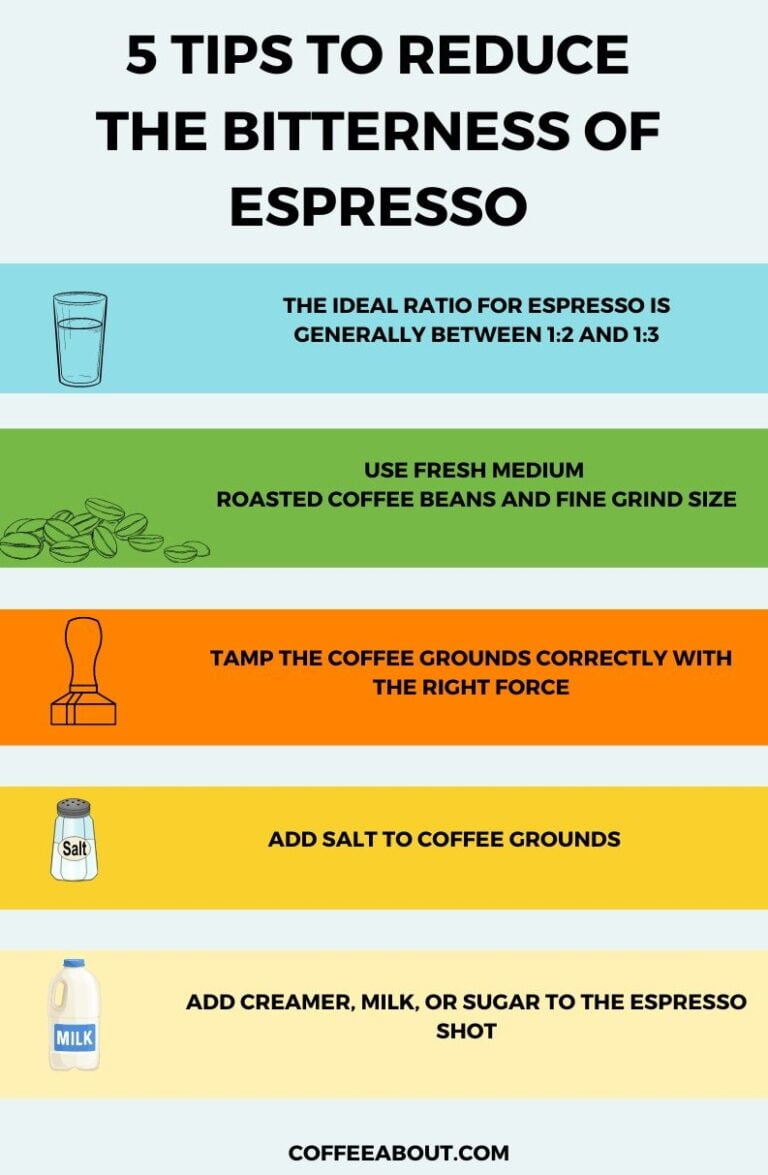
Some people enjoy dark, bitter coffee. Taste preference matters. The goal is not to remove every bitter note. The goal is to avoid unwanted harshness and find a balance you enjoy.
Source: coffeeabout.com
When Should You Replace the Coffee Maker?
Clean and descale the machine before replacing it. Many flavor problems come from coffee, grind, water, or maintenance.
Consider replacing the brewer if:
- It produces harsh coffee with different fresh beans.
- It brews far too slowly or quickly.
- The water does not spread evenly over the coffee.
- The machine has a damaged cord, leaking body, or other electrical fault.
- The thermostat appears unreliable.
- You smell burning plastic or see smoke.
Stop using a machine with damaged electrical parts. Do not open or repair an appliance unless you are qualified to do so. Check the manufacturer’s support and safety guidance for model-specific service.

Source: kitchenadvising.com
Key Takeaways
- Bitter coffee usually points to too much extraction, a fine grind, too much coffee, stale coffee, or a dirty machine.
- Burnt coffee often comes from a very dark roast or a hot plate that keeps heating the pot.
- Start with fresh coffee, a medium grind, clean equipment, and filtered drinking water.
- Change one variable at a time.
- Taste the coffee right away and again later. That helps separate a brewing problem from a hot-plate problem.
Frequently Asked Questions
Is bitter coffee over-extracted?
Often, yes. A fine grind, long contact time, high water temperature, or too much coffee can pull extra bitter compounds from the grounds. But dark roasting, stale beans, dirty equipment, and hot-plate heating can also create bitterness.
What grind size is best for drip coffee?
A medium grind is a good starting point for most automatic drip machines. If the coffee tastes bitter and drains slowly, use a slightly coarser grind. If it tastes sour and watery, try a slightly finer grind.
Can hard water make coffee taste bitter?
Yes. Hard water can leave mineral scale in the coffee maker and may affect how the machine heats and distributes water. It can also change the taste of the coffee. Filtered water may help, especially if your tap water has a strong mineral or chlorine taste.
Should I use less coffee to fix bitterness?
You can try less coffee, but grind size is often the better first adjustment. If the coffee is bitter and strong, reduce the amount slightly. If it is bitter but weak, the problem may be over-extraction from a fine grind rather than too much coffee.
How long can coffee stay on a hot plate?
Flavor can decline quickly when brewed coffee remains on a hot plate. For better taste, drink it soon after brewing or move it to a thermal carafe. Your coffee maker’s manual may give specific operating guidance.
Is burnt coffee safe to drink?
A burnt taste usually means poor flavor, not that the coffee is automatically unsafe. However, stop using the machine if you smell burning plastic, see smoke, or notice electrical damage. Those signs may indicate an appliance fault.
Conclusion
The fastest way to fix bitter or burnt drip coffee is to identify when the bad flavor appears. If it tastes harsh from the first sip, check the grind, coffee amount, roast, freshness, water, and machine cleanliness. If it tastes fine at first but turns burnt while sitting, remove it from the hot plate.
Start with fresh medium-roast coffee, a medium grind, a measured recipe, clean equipment, and filtered water. Make one change at a time, and your next pot will tell you which adjustment worked.