

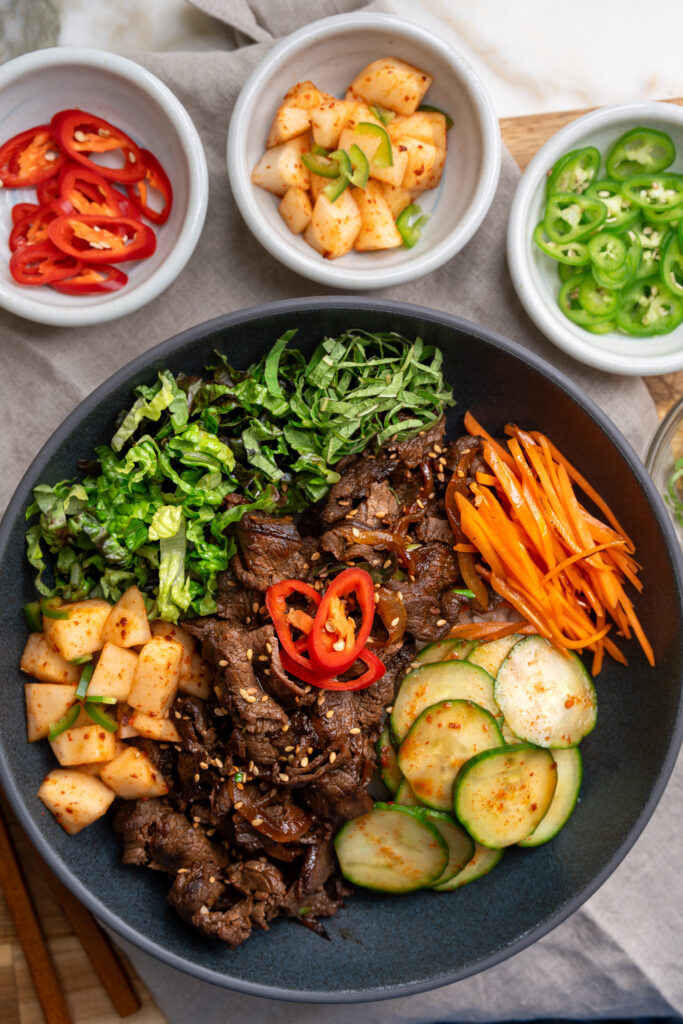
Serve bulgogi with steamed rice, crisp banchan, lettuce wraps, kimchi, and ssamjang.
If you’ve ever wondered what to eat with bulgogi, you’re in the right place. I’ve hosted countless Korean-style dinners, and the best meals always balance sweet, salty, sour, and fresh. In this guide, I’ll show you exactly what to eat with bulgogi, why these pairings work, and how to build a spread that feels effortless yet memorable.
How to think about what to eat with bulgogi
Bulgogi is tender, sweet-savory marinated beef. It shines when the sides add crunch, freshness, and a little heat. If you are asking what to eat with bulgogi, think about balance: a warm starch, fresh greens, tangy pickles, bold sauces, and a light drink. This lets each bite feel new and bright.
PAA: What do Koreans usually eat with bulgogi?
They serve it with rice, lettuce wraps, and many banchan like kimchi and pickled radish. A sesame oil salt dip and ssamjang are common on the table.
PAA: Can I skip rice if I’m low carb?
Yes. Wrap the meat in lettuce with perilla leaves and extra veggies. Add ssamjang for flavor and fullness.
PAA: Is bulgogi a main or part of a set?
It is the main. But it is best as part of a set with rice, banchan, and soup.
Source: carolinescooking.com
Classic starches that make bulgogi sing
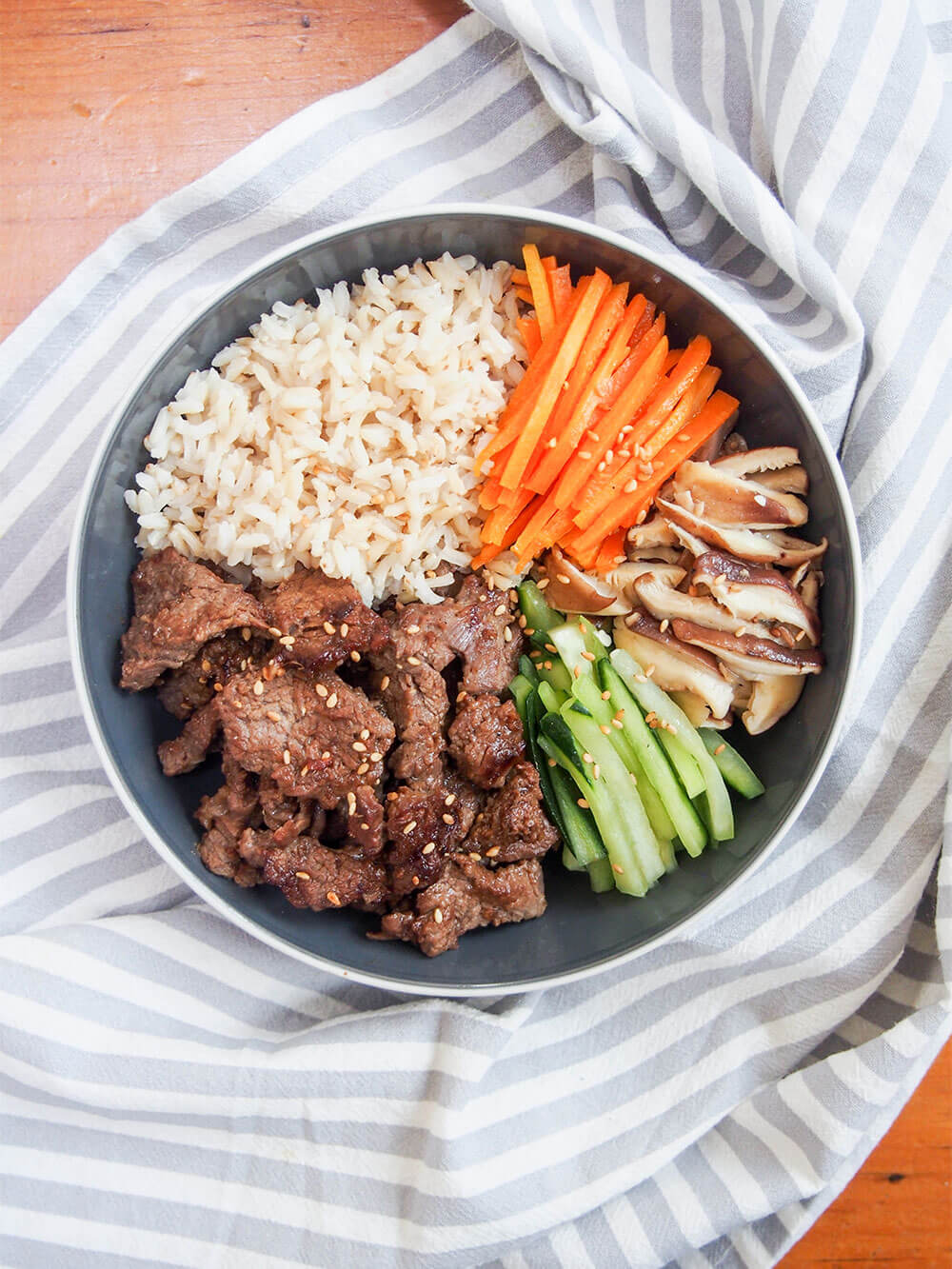
The most common answer to what to eat with bulgogi is rice. Warm, plain rice softens the sweet-salty glaze and catches the juices.
- Short-grain white rice It is sticky and tender. It soaks up sauce well.
- Multigrain rice Adds chew and nuttiness. It feels hearty without being heavy.
- Fried rice Use day-old rice with garlic and scallions for extra flavor.
- Japchae Stir-fried sweet potato noodles with vegetables. A slightly sweet note pairs well with bulgogi.
- Tteok Korean rice cakes, pan-seared with a little soy and sesame. They add chew and fun texture.
If you still wonder what to eat with bulgogi when you want variety, offer both rice and noodles. Guests can mix and match.

Source: chasingcravings.com
Banchan essentials to round out the plate
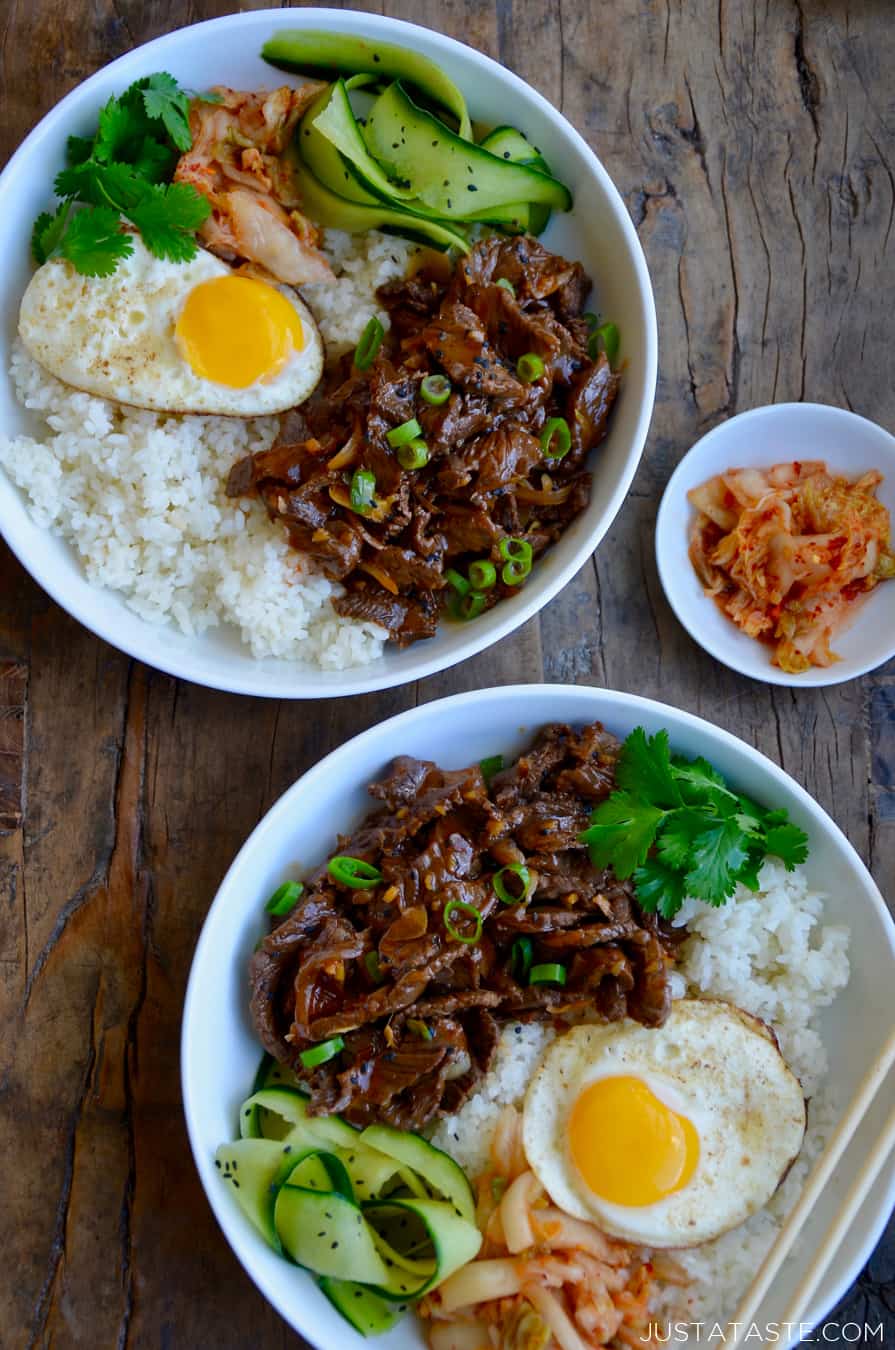
Banchan are small side dishes that add color and crunch. They are key when planning what to eat with bulgogi.
- Kimchi Any style works: napa, radish, or cucumber. The tang cuts through fat.
- Cucumber muchim Quick marinated cucumbers. Cool and crisp.
- Kongnamul Soybean sprouts with sesame oil and garlic. Light and nutty.
- Sigeumchi namul Blanched spinach with sesame and soy. Soft and savory.
- Gamja jorim Braised potatoes. Slightly sweet, tender bites.
- Mu saengchae Spicy-sour shredded radish. Bright and refreshing.
I often build a tray of three to five banchan. If you are mapping out what to eat with bulgogi for a crowd, mix one spicy, one tangy, one mild, and one crunchy.
Source: justataste.com
Lettuce wraps and the perfect ssam bite
Ssam means wrap. For many, the best answer to what to eat with bulgogi is a crisp wrap stuffed with meat, herbs, and sauce.
How to build a bite:
- Lay a lettuce leaf in your palm.
- Add a perilla leaf if you have it for a minty note.
- Place a small spoon of rice.
- Add a slice of bulgogi.
- Top with kimchi or pickled radish.
- Finish with a dab of ssamjang or sesame oil salt dip.
- Fold and eat in one go.
Tips from my table:
- Use softer lettuces like green leaf, butter, or romaine hearts for easy folding.
- Add sliced raw garlic or chili for a quick kick.
- If guests are new to ssam, make the first wrap for them so they learn the size and balance.

Source: simplegreenmoms.com
Sauces, dips, and quick garnishes
When sorting out what to eat with bulgogi, do not skip sauces. They make each bite pop.
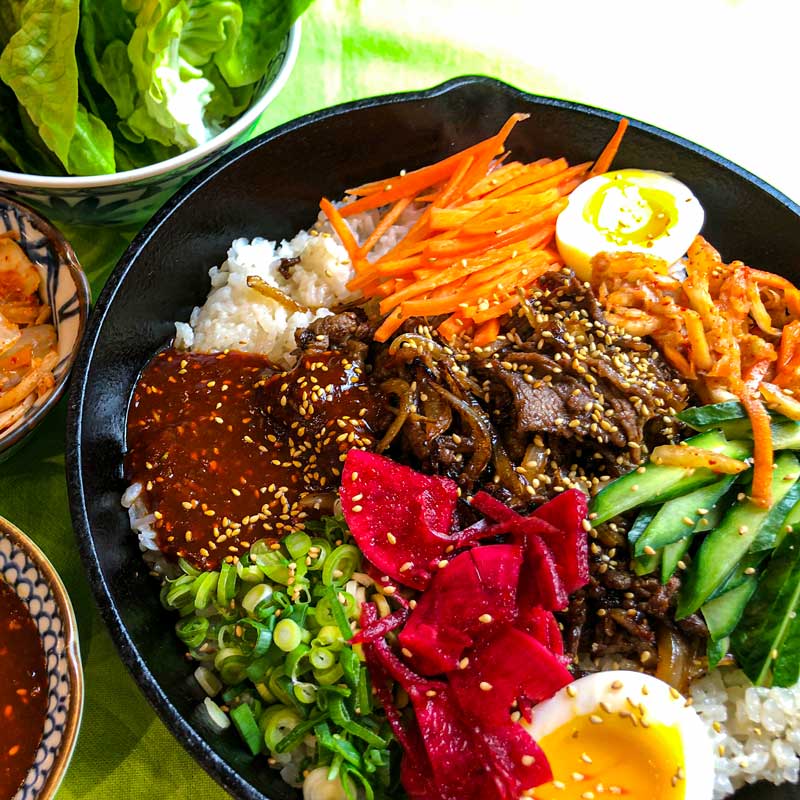
- Ssamjang A thick, savory mix of doenjang and gochujang with garlic, sesame oil, and sugar. It is the classic.
- Sesame oil salt dip Mix toasted sesame oil with a pinch of salt and black pepper. It is simple and perfect.
- Gochujang thinned with vinegar and a touch of honey for a sweet-heat drizzle.
- Scallion salad Toss thin scallions with soy, vinegar, sugar, sesame oil, and chili flakes. Piles nicely on top.
- Toasted sesame seeds and sliced fresh chilies for easy garnish.
A small sauce board lets guests tune salt, heat, and tang. That is smart when planning what to eat with bulgogi for mixed tastes.
Source: somersetfoodie.com
Tailor pairings by cooking method
Not all bulgogi tastes the same. This matters when you choose what to eat with bulgogi.
- Charcoal grilled Smoky and sweet. Pair with crisp cucumber muchim, perilla, and a dry lager.
- Cast-iron seared Deep caramel notes. Add tangy kimchi and a bright scallion salad.
- Broiled in the oven Slightly juicier. Serve with lighter banchan like sprouts and spinach.
- Hot-pot style simmered Softer texture. Offer bolder pickles and extra ssamjang for contrast.
Adjusting sides to the cook method gives balance in every case.
Source: carolinescooking.com
Drinks that flatter bulgogi
The right drink clears the palate and invites another bite. Drinks can shape what to eat with bulgogi and how the meal feels.
- Soju Clean and smooth. Great chilled with grilled flavors.
- Beer Crisp lager or pilsner. Cuts sweetness and fat.
- Makgeolli Lightly sweet, bubbly rice wine. Creamy and refreshing with spice.
- Green tea or barley tea Non-alcoholic, toasty, and clean.
- Sparkling water with lemon Bubbles lift rich flavors without adding sugar.
If spice levels are high, choose lower-alcohol, crisp drinks.
Source: chasingcravings.com
Dietary needs and smart swaps
You can tailor what to eat with bulgogi to fit any diet.
- Low carb Skip rice and load up on lettuce wraps, perilla, cucumber, and sprouts.
- Gluten free Use tamari or certified gluten-free soy sauce in the marinade. Check gochujang labels.
- Dairy free Most sides are dairy free by default. Watch packaged sauces.
- Vegetarian or vegan Try mushroom bulgogi with king oyster or portobello. Tofu or tempeh works well with the same marinade.
- Low sodium Use reduced-sodium soy sauce and build flavor with garlic, ginger, and sesame oil.
Honest note: store-bought gochujang and ssamjang can carry wheat or higher sodium. Check labels and adjust with water, vinegar, and honey.

Source: recipetineats.com
Sample menus for any night
Building a menu makes what to eat with bulgogi feel easy and fun. Here are tested sets I serve often.
- Weeknight quick set Steamed white rice, cucumber muchim, spinach namul, ssamjang, lettuce.
- Friends-over spread Multigrain rice, japchae, kimchi, scallion salad, sesame oil salt dip, perilla, pickled radish.
- Backyard grill set Rice cakes seared on the grill, watermelon or citrus salad, kimchi, cold barley tea, lager.
- Family-friendly set Fried rice with eggs, mild braised potatoes, sprouts, lettuce wraps with no raw chili.
Each set balances heat, crunch, and comfort.
Real-world tips, mistakes to avoid, and a shopping checklist
From many dinners, here is what made the biggest difference when deciding what to eat with bulgogi.
What works:
- Pre-wash and chill lettuce so it stays crisp.
- Slice meat thin so it cooks fast and stays tender.
- Set sauces in small bowls to keep the table tidy.
Common mistakes:
- Only serving rice and meat The meal feels heavy without fresh banchan.
- Oversaucing bulgogi It should glaze, not stew. High heat, quick sear.
- Forgetting a tangy side You need acid to refresh the palate.
Shopping checklist:
- Short-grain rice or sweet potato noodles
- Lettuce and perilla leaves
- Kimchi and a fresh pickle
- Scallions, garlic, chilies
- Gochujang, doenjang, sesame oil, sesame seeds
Sweet finishes and palate cleansers
A light finish helps after bold flavors. This also rounds out your plan for what to eat with bulgogi.
- Fresh fruit Sliced pear, orange, or watermelon. Juicy and clean.
- Sikhye Sweet rice drink, chilled and mild.
- Yuzu or lemon sorbet Bright and not too sweet.
- Cold cinnamon ginger punch Sujeonggwa is aromatic and refreshing.
Keep dessert simple so the bulgogi remains the star in memory.
Frequently Asked Questions of what to eat with bulgogi
What is the simplest side to make with bulgogi?
Steamed short-grain rice is the easiest and most classic pairing. Add store-bought kimchi for instant balance.
Can I prepare banchan ahead of time?
Yes. Many banchan keep well for days, so you can prep cucumber muchim, spinach, and sprouts a day early.
What lettuce is best for wraps?
Green leaf and butter lettuce are soft and fold easily. Romaine hearts add crunch if you like a firmer wrap.
What if I don’t like spicy food?
Skip gochujang and use sesame oil salt dip. Choose mild banchan like spinach and sprouts to keep heat low.
How much bulgogi per person should I plan?
Plan 6 to 8 ounces per adult if served with rice and banchan. For big eaters or no rice, plan 8 to 10 ounces.
Can I serve bulgogi with Western sides?
Yes. Try roasted potatoes, a simple green salad with lemon, or grilled corn. Keep sauces Korean to tie flavors together.
What soup goes well with bulgogi?
Doenjang soup or a light seaweed soup pairs nicely. These add warmth without stealing the show.
Conclusion
The best way to decide what to eat with bulgogi is to balance comfort with freshness. Pick a warm starch, a handful of crisp banchan, a bold sauce, and a clean drink. Build a simple ssam bar and let everyone craft perfect bites.
Try one of the sample menus this week and make it your own. If this guide helped you plan what to eat with bulgogi, share it with a friend, leave a comment with your favorite pairings, or subscribe for more easy Korean meal ideas.
1 thought on “What To Eat With Bulgogi: Best Sides, Sauces & Tips”