

A slow coffee maker is usually dealing with mineral scale, a clogged filter path, too-fine coffee grounds, or a blocked water valve. In a typical drip coffee maker used in a U.S. home, the safest first steps are to check the coffee basket, clean the spray head, and run the cleaning cycle recommended in the owner’s manual.
A full pot should not take dramatically longer than it did when the machine was new. A small change may come from a different coffee, filter, or water source. A major slowdown often means water cannot move through the machine as it should.

Source: dreamstime.com
Why your coffee maker is brewing slowly
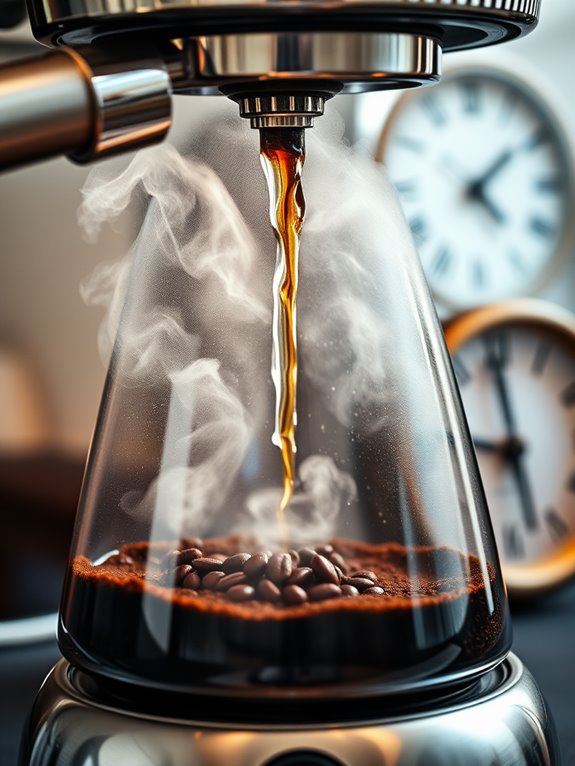
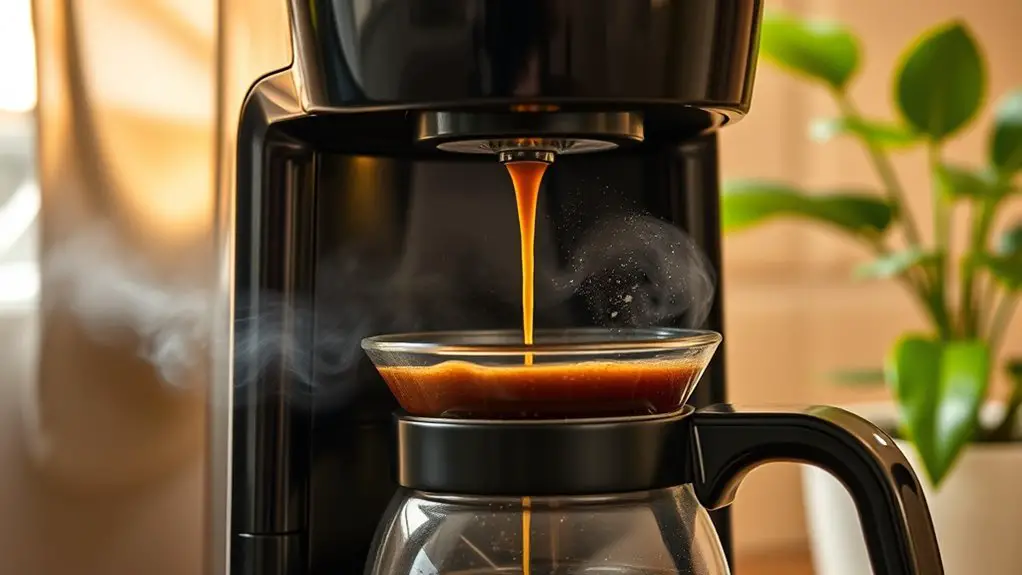
Most drip coffee makers heat water and send it through a small tube to a spray head. The spray head wets the coffee grounds, and the brewed coffee passes through the filter into the carafe.
When any part of that path narrows, water moves more slowly. The most common causes are:
- Mineral buildup inside the heating tube
- A clogged spray head or outlet
- A blocked filter basket
- Coffee grounds that are too fine
- Too much coffee in the basket
- A paper filter that has folded over
- A dirty or stuck water tank valve
- A failing heater, pump, or control part
Mineral buildup
Hard water contains minerals such as calcium and magnesium. When the machine heats this water, some minerals can remain inside the heating tube and other parts.
This buildup is often called scale or limescale. It can reduce the space available for water and make the heater work less efficiently. The result may be slow brewing, lukewarm coffee, extra noise, or a machine that stops before the pot is full.
Water hardness varies across the United States. A coffee maker in a home with hard tap water may need cleaning more often than one used with softer water or filtered water.
Coffee grounds that are too fine
Drip coffee makers work best with a medium grind. Fine grounds can restrict water flow and may pass through some filters.
A slow drip from the basket, a muddy bed of coffee, or water pooling above the grounds points to a filter or grind problem. If the coffee tastes bitter, the water may also be staying in contact with the grounds too long.
A clogged filter basket or spray head
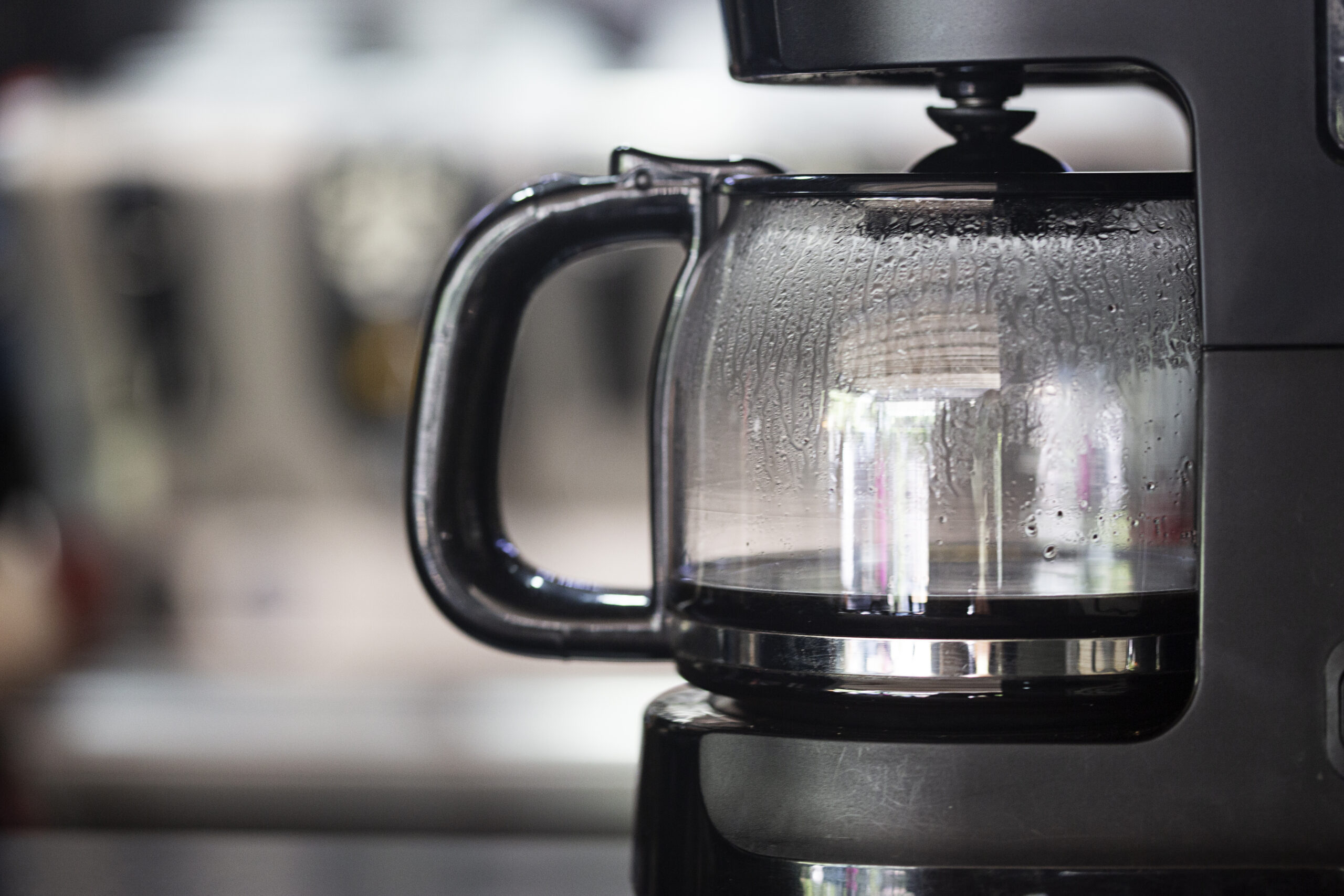
Coffee oils and small grounds can collect in the basket, valve, or spray head. Some spray heads have tiny holes that clog easily.
This problem may appear after using a reusable metal filter, grinding coffee at home, or filling the basket too high. A machine may still heat normally but brew very slowly because the water cannot leave the upper part of the system.
A blocked paper filter
A paper filter can collapse against the sides of the basket. This can happen when the filter is too large, too small, poorly seated, or wet before brewing.
A folded filter may block the outlet. Too many grounds can also press the paper against the basket and slow the flow.
A problem with the water valve or internal parts
Many coffee makers have a small valve that allows water from the reservoir to enter the heating system. Coffee residue, scale, or a misplaced filter basket can interfere with that valve.
If cleaning does not help, the heater, thermostat, pump, or control board may be worn. These parts are not usually safe for casual repair unless the machine is designed to be serviced and you know how to work safely with electrical appliances.
Source: caffenado.com
Quick checks before you clean the machine
Start with simple checks. They can solve the problem without a deep cleaning.
- Confirm the water level. Use the carafe to add water to the reservoir. Some machines do not brew properly when the tank is only partly seated or filled below the minimum line.
- Check the carafe position. Make sure the carafe sits fully under the basket. Some models use a carafe-activated valve that will not open when the carafe is out of place.
- Remove and inspect the filter basket. Look for wet grounds, a blocked outlet, or residue around the bottom valve.
- Check the grind. Use medium-ground coffee. Avoid espresso-fine coffee in a standard drip machine.
- Reduce the dose. Use the amount listed in your manual. If you do not have the manual, reduce the coffee slightly for one test brew.
- Inspect the paper filter. Make sure it fits the basket and has not folded inward.
- Run one cycle with water only. This helps separate a coffee-and-filter problem from a machine problem.
A useful test is to brew with the basket empty and no filter. If water still moves slowly, the restriction is likely inside the coffee maker. If the empty basket drains normally, change the grind, dose, or filter.

Source: fr.pinterest.com
How to fix a slow coffee maker
Follow these steps in order. Stop if the machine leaks, smells like burning plastic, trips a circuit breaker, or makes unusual electrical sounds.
1. Clean the basket and carafe
Unplug the coffee maker and let it cool. Remove the filter basket, lid, and carafe.
Wash removable parts with warm water and mild dish soap, unless the manual says otherwise. Use a soft brush to remove coffee oils and grounds from the basket outlet. Rinse well so no soap remains.
Do not put the coffee maker base in water. The base contains electrical parts.
2. Clear the spray head
Look under the lid for the part that spreads water over the coffee grounds. Wipe it with a damp cloth.
If the holes look blocked, use a soft brush or a wooden toothpick with care. Do not force a sharp metal tool into the holes. It may damage the spray head or push debris deeper into the machine.
Replace the filter basket and run a water-only cycle. Check whether water now spreads evenly.
3. Run the manufacturer’s cleaning cycle
Use the cleaning method in the owner’s manual. Many U.S. coffee makers have a clean setting or a light that signals when descaling is due.
A descaler made for coffee machines is often the most predictable option. Some manuals allow diluted white vinegar, while others advise against it. Vinegar can leave an odor and may not remove all types of residue, so follow the instructions for your exact model.
A general cleaning process may look like this:
- Empty the coffee basket and reservoir.
- Add the approved cleaning solution.
- Start the clean cycle or a normal brew cycle, as the manual directs.
- Let the machine finish or pause when instructed.
- Discard the used solution.
- Run two or more full cycles with clean water.
- Smell and taste the rinse water before making coffee.
Do not mix vinegar with bleach or any other cleaner. Never use a chemical product in the water reservoir unless its label and the manufacturer’s instructions support that use.
4. Change the coffee grind and dose
Use a medium grind made for automatic drip coffee. If you grind beans at home, move the grinder one or two steps coarser for a test.
Do not pack the coffee down. A level scoop is better than a compressed bed. If the machine is slow only when you make a full pot, reduce the dose slightly and see whether the flow improves.
5. Check the water tank and valve
Remove the water reservoir if your model allows it. Clean the tank and inspect the opening at the bottom.
Some removable reservoirs have a spring-loaded valve. Press it gently over a sink to see whether water flows freely. Do not take apart a sealed valve or internal tube.
If the tank does not sit flat, the valve may not open fully. Reinstall it and check the manual for the correct position.
6. Test the machine again
Make a water-only brew after cleaning. Watch the flow and listen to the machine.
Signs of improvement include:
- Water leaving the spray head evenly
- No long pauses during the brew
- A normal amount of water reaching the carafe
- No pooling above the coffee grounds
- No unusual burning smell
A machine may still brew slowly if its heater or internal tube has suffered heavy scale damage. Cleaning cannot always restore a failed part.

Source: kitchflair.com
Slow-brew symptoms and likely causes
Use this table to narrow down the problem before taking further action.
| Symptom | Likely cause | Best first check |
|---|---|---|
| Water drips slowly from the basket | Fine grind, too many grounds, clogged filter, blocked outlet | Brew with a medium grind and a clean basket |
| Water barely enters the coffee basket | Scale, clogged spray head, tank valve problem | Clean the spray head and run the approved descaler |
| Coffee maker is noisy and slow | Scale or air moving through a restricted tube | Descale according to the manual |
| Coffee is weak but the brew is slow | Water may bypass the grounds or the filter may be seated poorly | Check the basket, filter, and spray pattern |
| Coffee is bitter and the basket stays full of water | Fine grind or restricted filter flow | Use a coarser grind and less coffee |
| The machine stops before the pot is full | Scale, overheating protection, low water, or a faulty sensor | Check water level and clean cycle |
| Brewing is slow only with a reusable filter | Fine grounds or a clogged mesh filter | Clean the mesh and try a paper filter |
| Cleaning does not change anything | Internal part failure or severe blockage | Compare repair cost with replacement cost |
This table gives starting points, not a guaranteed diagnosis. Coffee maker designs differ, so the manual for the exact model remains the best source for part locations and cleaning limits.
Source: diningtokitchen.com
How often should you descale a coffee maker?
Descale the machine when the manual says to, when a clean light appears, or when you notice slower flow and mineral residue. The correct interval depends on water hardness, use, and the type of coffee maker.
A person who brews several pots each day may need more frequent cleaning than someone who brews once a week. Filtered water may reduce some mineral buildup, but it does not remove all minerals unless it is treated for that purpose.
Do not assume bottled water is always better. Some bottled water contains enough minerals to create scale. Avoid distilled water unless the manufacturer specifically permits it, because certain machines use water conductivity to detect the water level or control the brew cycle.
Cleaning is preventive, but it is not a cure for every slow-brew problem. A clean machine with a good filter and the right grind that still brews very slowly may have a worn internal part.

Source: smarthelperguides.com
When should you repair or replace the coffee maker?
Consider professional repair or replacement when the machine has an electrical or heating fault. Warning signs include:
- A burning smell
- A damaged power cord or plug
- Smoke or sparks
- Water leaking into the electrical base
- A circuit breaker that trips during brewing
- A cracked hot plate or carafe
- A clean cycle that does not improve flow
- A machine that shuts off repeatedly
Unplug the machine before inspecting removable parts. Do not open the base while it is connected to power. If the machine is under warranty, contact the manufacturer before attempting repair.
For a low-cost coffee maker, a replacement may cost less than labor and parts. For a built-in, specialty, or high-end machine, repair may make more sense. The decision depends on the model, age, warranty, part availability, and safety condition.

Source: hometechbuddy.com
Common mistakes that make slow brewing worse
Avoid these fixes:
- Using a finer grind to get stronger coffee. This can restrict flow. Use a little more medium-ground coffee instead.
- Packing the grounds down. Drip coffee makers are not espresso machines.
- Adding extra coffee above the basket’s limit. The filter may overflow or block the outlet.
- Running soap through the reservoir. Soap can leave residue and may damage parts.
- Using bleach in the machine. It can create a serious chemical hazard and is not a normal descaling method.
- Scraping with a knife or metal pick. Sharp tools can damage plastic parts and spray holes.
- Ignoring a damaged cord or leaking base. Cleaning does not make an electrical fault safe.
Source: coffeecherish.com
Frequently asked questions
Why is my coffee maker taking 20 minutes to brew?
The most likely causes are scale, a clogged filter path, or a grind that is too fine. Brew one cycle with water only. If it remains slow, clean the spray head and run the approved descaling cycle.
Can I use vinegar to clean a slow coffee maker?
Only if the manufacturer allows it. Some manuals recommend diluted white vinegar, while others require a commercial descaler or warn against vinegar. After any approved cleaning solution, run enough clean-water cycles to remove the smell and taste.
Why does my coffee maker drip slowly but still make hot coffee?
The heater may be working while the basket, paper filter, spray head, or internal tube is restricted. Check the grind and filter first. If an empty basket also drains slowly, the blockage is likely in the machine.
Does filtered water prevent slow brewing?
Filtered water may reduce some mineral buildup, but the result depends on the filter and the minerals in your local water. It does not remove coffee oils, grounds, or debris from the basket and spray head.
Should I use a coarser grind if my coffee maker is slow?
Yes, if the coffee is very fine or the filter basket stays full of water. Test a medium grind first. A grind that is too coarse can make the coffee weak, so change one factor at a time.
Why is a single-serve coffee maker brewing slowly?
For a pod machine, check the pod holder, needle openings, water tank valve, and manufacturer-approved descaling cycle. Do not poke a needle with your fingers while the machine is plugged in. Unplug it and let it cool first.
Key takeaways
- Scale is a common reason a drip coffee maker slows down.
- Fine grounds, too much coffee, and a folded filter can also restrict flow.
- Start with a water-only test, then clean the basket and spray head.
- Use only the descaling method approved for your model.
- Do not use a machine with smoke, sparks, a damaged cord, or water in its electrical base.
- If cleaning does not help, the heater, pump, valve, or thermostat may need service.
Conclusion
A slow coffee maker usually needs a simple flow check before it needs replacement. Clean the basket, inspect the filter, use a medium grind, and descale the machine according to its manual. If it remains slow after those steps, treat the problem as a possible internal fault and avoid opening the electrical base unless a qualified technician handles it.