

For most people in the United States, a drip coffee maker is the better choice for lower cost and larger batches, while a single-serve pod machine is better for speed, variety, and one-cup brewing.
Choose a drip coffee maker if you:
- Drink several cups each morning
- Want to use fresh ground coffee
- Brew for a family or group
- Want lower coffee costs
- Prefer more control over strength and flavor
Choose a single-serve pod machine if you:
- Make one cup at a time
- Want coffee ready with little cleanup
- Like many flavors and roast types
- Share a kitchen with people who want different drinks
- Value speed more than the lowest cost
Neither machine wins every category. The right choice depends on how much coffee you drink, how much time you have, and whether you prefer control or convenience.

Source: aromvel.com
Drip Coffee Maker vs. Pod Machine at a Glance
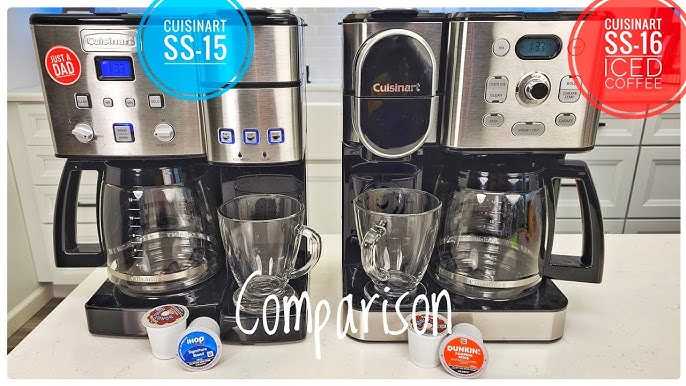
A drip coffee maker brews hot water through ground coffee and a filter. A pod machine pushes hot water through a sealed coffee capsule. Both can make good coffee, but they serve different routines.
| Feature | Drip coffee maker | Single-serve pod machine |
|---|---|---|
| Best for | Two or more cups | One cup at a time |
| Brew speed | Usually several minutes | Often about one to two minutes |
| Coffee format | Loose grounds | Pre-measured pod or capsule |
| Cup size | Usually a full pot | One selected serving |
| Flavor control | High | Moderate |
| Cleanup | Empty grounds and wash parts | Remove used pod and rinse parts |
| Cost per cup | Usually lower | Usually higher |
| Waste | Paper filter and coffee grounds | Used pod or capsule |
| Variety | Depends on the coffee you buy | Many pod flavors and brands |
| Freshness | Depends on storage and grinding | Sealed pod protects coffee before use |
| Equipment size | Often larger | Often smaller |
| Best value | Frequent coffee drinkers | Occasional or convenience-focused users |
This table gives the short answer. The rest of the decision comes down to taste, cost, time, waste, and maintenance.
How Each Coffee Machine Works
A drip coffee maker heats water and sends it over ground coffee. The water passes through the grounds and a paper or reusable filter. The brewed coffee then collects in a glass carafe or thermal carafe.
A single-serve pod machine uses a small capsule that contains pre-ground coffee. The machine punctures the pod, heats water, and sends it through the coffee. The drink flows straight into your mug.
The brewing method affects control. With a drip machine, you can change the coffee, grind size, dose, water amount, and filter. With a pod machine, most of those choices are fixed by the pod.
Some pod machines accept only one pod system. For example, a machine made for K-Cup pods may not accept Nespresso capsules. Check compatibility before buying, especially if you already have a supply of pods.
What “cup” means on each machine
A coffee maker’s “cup” may not equal a full american mug. Many machines define one cup as about 5 to 6 fluid ounces. A typical home mug may hold 10 to 16 fluid ounces.
This matters when you compare capacity. A machine advertised as a 12-cup brewer may produce about 60 to 72 fluid ounces, not twelve large travel mugs.

Source: hometechbuddy.com
Taste and Coffee Quality
A drip coffee maker usually offers more control over flavor. You can buy whole beans, grind them before brewing, adjust the amount of coffee, and choose a paper or metal filter.
A pod machine offers less control, but it can produce a more consistent cup. Each pod contains a measured serving. That helps prevent weak coffee caused by using too little ground coffee.
Freshness depends on the coffee, not only the machine. Freshly ground coffee can have more aroma than coffee that has sat in a sealed pod for a long time. However, a pod can protect coffee from air, light, and moisture better than an open bag of grounds.
Water also affects taste. The Specialty Coffee Association brewing standards describe key brewing variables such as water temperature, brew time, coffee dose, and strength. Home machines vary, so two devices can produce different results even when they use the same coffee.
Drip coffee tastes better when you control the basics
For better drip coffee:
- Use coffee that is ground for drip brewing.
- Use clean, fresh-tasting water.
- Measure coffee instead of filling the filter by sight.
- Store beans or grounds in an airtight container.
- Clean mineral scale from the machine.
- Avoid leaving coffee on a hot plate for a long time.
A paper filter gives a cleaner cup by holding back more oils and fine particles. A metal filter allows more oils into the cup and may create a heavier body.
Pod coffee tastes better when you choose the right size
A pod can taste strong when brewed as a small serving but weak when stretched into a large mug. If your machine offers several size buttons, use the smaller setting for a stronger cup.
Some pods are designed for a certain volume. Follow the pod maker’s recommended size when possible. Adding more water does not create more coffee; it only dilutes the coffee already extracted.

Source: aromvel.com
Cost: Which One Is Cheaper?
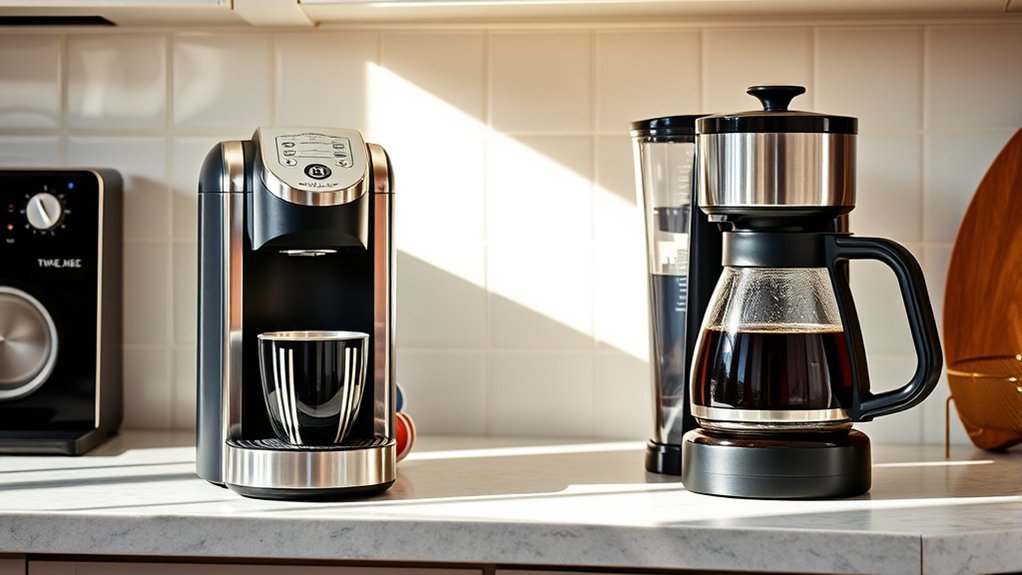
A drip coffee maker usually costs less to operate. Ground coffee is often cheaper per serving than a single-use pod, especially when you buy larger bags or whole beans.
A simple cost estimate is:
Cost per cup = coffee cost per package ÷ number of servings
Hypothetical cost example
Suppose:
- A 12-ounce bag of coffee costs $12.
- Each serving uses about 0.6 ounces of coffee.
- The bag makes about 20 servings.
The coffee cost is about $0.60 per cup, before filters, water, and electricity.
Now suppose:
- A box of 24 pods costs $18.
- Each pod makes one cup.
The pod cost is $0.75 per cup.
The difference may seem small. But a person who drinks two cups per day could spend roughly $110 more per year on the pod example. Actual prices vary by brand, package size, sales, and serving size.
A drip machine may also let you brew several cups at once. That can lower the cost further because one paper filter and one heating cycle serve several people.
A pod machine can still be the better financial choice for someone who often throws away unused coffee from a full pot. Brewing only what you need reduces waste.
Do not compare only the machine price
Include these ongoing costs:
- Coffee grounds or pods
- Paper filters
- Reusable filter replacement
- Descaling solution
- Electricity
- Milk, sweeteners, or flavor additions
- Replacement carafes or water filters
The cheapest machine is not always the cheapest system. A low-cost pod machine can cost more over time if you use several pods each day.
Source: reviewzn.com
Speed and Daily Convenience
A pod machine usually wins for one fast cup. You add water, insert a pod, press a button, and remove the used pod when the drink is finished.
A drip coffee maker can take longer because it must heat and brew a full batch. Some models offer programmable start times, so you can prepare the machine the night before. That reduces morning work but does not change the brewing time.
Drip machines are often more convenient when several people want coffee. One batch can fill a carafe. With a pod machine, each person may need to brew a separate serving.
Convenience also depends on cleanup. A pod machine creates less loose mess, but it still needs regular rinsing and descaling. A drip machine requires the filter and grounds to be removed, plus regular washing of the basket and carafe.
Best choice for common routines
| Your routine | Better fit |
|---|---|
| One coffee before work | Single-serve pod machine |
| Several cups over the morning | Drip coffee maker |
| Different flavors in one household | Pod machine |
| Coffee for guests | Drip coffee maker |
| Coffee at irregular times | Pod machine |
| Coffee prepared before waking | Programmable drip machine |
| Minimal loose grounds | Pod machine |
| Easy control over strength | Drip coffee maker |
Cleanup and Maintenance
Both machines need cleaning. Coffee oils, mineral deposits, and damp residue can affect flavor and machine performance.
Drip coffee maker maintenance
After each use:
- Remove the used filter and grounds.
- Rinse the brew basket.
- Rinse the carafe.
- Leave parts open to dry.
Regularly:
- Wash removable parts with warm, soapy water.
- Clean the warming plate.
- Run a descaling cycle when the manufacturer recommends it.
- Replace a water filter if the model uses one.
Do not leave wet grounds in the basket for long periods. They can develop mold or an unpleasant smell.
Pod machine maintenance
After each use:
- Remove the used pod.
- Empty the drip tray when needed.
- Rinse the pod holder if coffee residue builds up.
- Wipe spills from the counter and machine.
Regularly:
- Wash the water reservoir if the manual allows it.
- Clean the pod holder and needle area as directed.
- Descale the machine on the schedule in the manual.
- Do not use a cleaning method that the manufacturer does not approve.
Hard water can cause mineral scale in either type of machine. Scale may slow brewing, reduce water flow, and affect taste. Use the manual’s instructions because descaling steps vary by model.

Source: pingocerto.com
Waste and Environmental Trade-Offs
Neither option is waste-free.
A drip coffee maker creates used grounds and may use a paper filter. Coffee grounds can often go into a compost system, but local rules differ. A reusable metal filter reduces paper waste but needs washing.
A pod machine creates a used pod after each serving. Some pods use plastic, aluminum, or mixed materials. Whether a pod can be recycled depends on the material, local recycling rules, and the condition of the pod.
Do not assume a recyclable material will be accepted in your curbside bin. Check your local waste program and the pod maker’s instructions. Emptying or cleaning a pod may also be required.
A reusable pod can reduce single-use waste. It adds work, though, and it may not fit every machine. It can also produce different results from sealed pods.
The best environmental choice depends on the whole routine:
- How many cups you brew
- Whether you waste leftover drip coffee
- Whether you recycle or compost
- How far coffee and pods travel
- How long the machine lasts
- Whether you replace parts instead of the entire machine
A person who brews one cup and drinks it may create less coffee waste with a pod machine. A household that uses several pods each day may create more packaging waste than a drip setup.

Source: aromvel.com
Which Machine Is Better for Families, Offices, and Small Kitchens?
A drip coffee maker is usually better for families and small offices. One pot serves several people, and the coffee cost is often lower.
A pod machine works well when people drink coffee at different times. It also helps when each person wants a different roast, flavor, or caffeine level.
For a small kitchen, compare more than the machine’s width. Check:
- Height with the lid open
- Water reservoir access
- Carafe clearance
- Cord position
- Counter space beside the machine
- Space needed to store pods or coffee
A pod machine may have a smaller footprint, but some models need room above the machine to load a capsule. A drip machine may be wider but easier to refill under a cabinet.
Caffeine and Drink Strength
A stronger-tasting coffee does not always contain more caffeine. Flavor strength depends on concentration, roast, extraction, and the amount of water. Caffeine depends on the coffee type, serving size, and brewing method.
The U.S. Food and Drug Administration says that up to 400 milligrams of caffeine per day is generally not linked with dangerous negative effects for most healthy adults. Individual limits can be lower because of pregnancy, medication, health conditions, or sensitivity.
Check the label when a pod lists caffeine. Many coffee labels do not provide an exact amount, and caffeine can vary between products.
If you want less caffeine, choose decaffeinated coffee. Decaf is not always completely caffeine-free, but it contains much less caffeine than regular coffee.

Source: checkcharm.com
Common Buying Mistakes
Buying a pod machine without checking pod compatibility
Pod systems are not universal. Confirm the exact capsule type before you buy. Also check whether the machine accepts third-party pods or reusable filters.
Choosing a large drip machine for one daily cup
A large carafe may sound useful, but unused coffee can go to waste. A smaller brewer may fit your routine better.
Using the largest pod setting every time
A large volume can make some pods taste thin. Try a smaller setting if the coffee tastes weak.
Ignoring the water reservoir
A removable reservoir is easier to fill and clean. A large reservoir reduces refills but takes more space.
Forgetting the carafe type
A glass carafe usually sits on a warming plate. A thermal carafe can keep coffee hot without a hot plate, but replacement costs may be higher.
Treating the machine as self-cleaning
Automatic brewing does not remove coffee oils or mineral scale. Follow the care instructions to protect taste and performance.
Paying for features you will not use
A built-in grinder, smartphone control, milk system, or many drink buttons can add cost and cleaning work. Choose features that match your routine.
Source: kitchenadvising.com
A Simple Decision Rule
Use this rule if you want a quick answer:
- Choose drip if you drink two or more cups, serve several people, or want the lowest routine cost.
- Choose pods if you drink one cup, need fast brewing, or want different drinks with almost no measuring.
- Choose a small drip machine if you want lower waste but usually brew only one or two cups.
- Choose a pod machine with a reusable filter if you want pod convenience but may sometimes use your own grounds.
- Choose neither without checking maintenance if you dislike cleaning. Every coffee machine needs it.
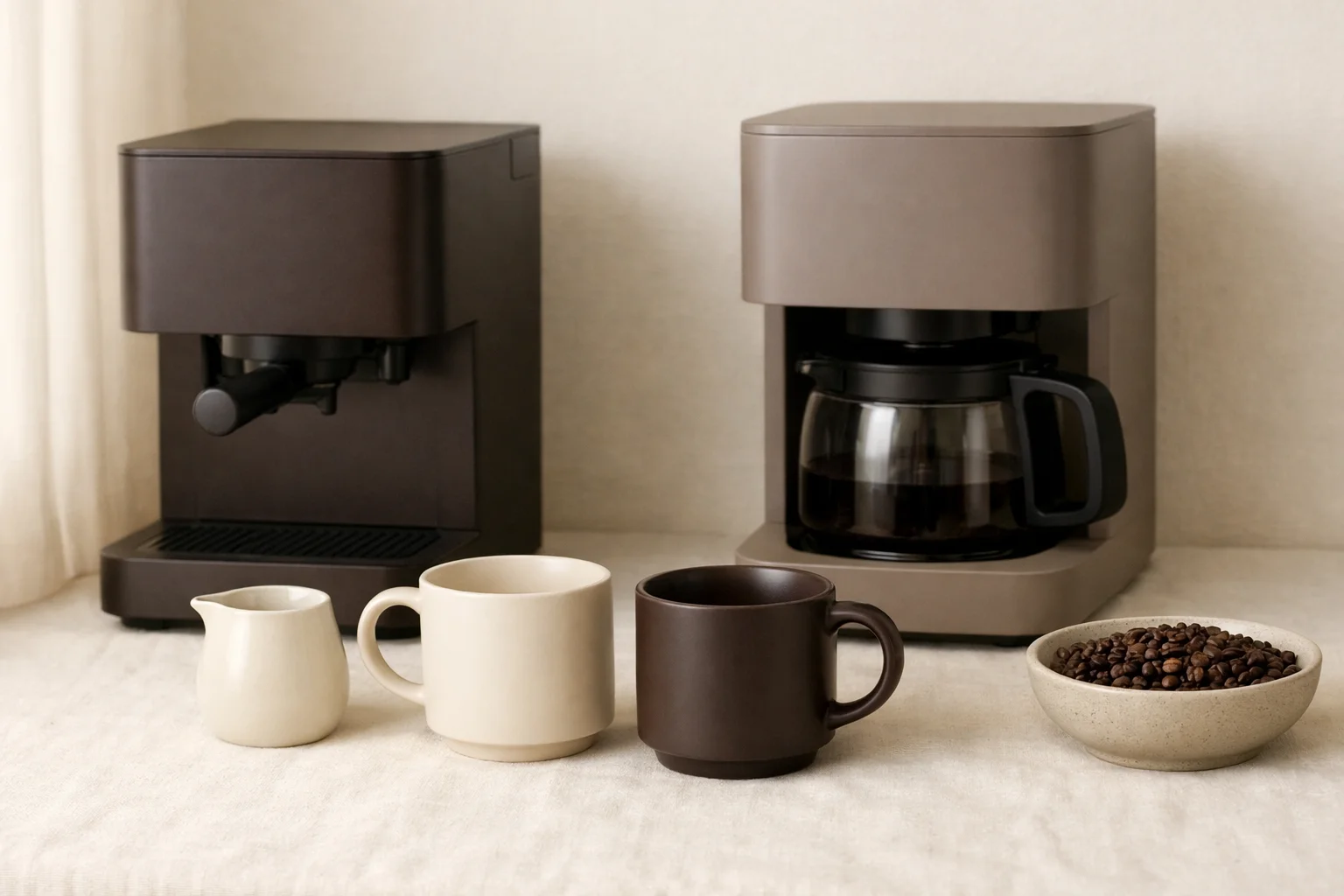
The best decision is not about which machine is more advanced. It is about whether your coffee habit is based on batch value or single-cup convenience.
Source: coffeegearpicks.com
FAQs
Is drip coffee healthier than pod coffee?
Neither brewing method is automatically healthier. The coffee type, serving size, added sugar, cream, and caffeine matter more. Paper-filtered drip coffee may remove more coffee oils than some metal-filter or pod systems, but the health effect depends on the full diet and amount consumed.
Does coffee from a pod machine taste weaker?
It can, especially when a small pod is used to make a large drink. Use the pod’s suggested serving size, select a stronger setting if available, or choose a darker or higher-strength pod.
Can I use ground coffee in a pod machine?
Only if the machine supports a compatible reusable filter or refillable pod. Do not place loose grounds directly into a machine unless the manual specifically says it is safe.
How long does brewed drip coffee stay good?
Flavor declines as coffee sits, especially on a hot warming plate. For better taste, brew only what you expect to drink soon. A thermal carafe may preserve flavor better than continued heating, but it does not make old coffee fresh.
Are coffee pods recyclable?
Some are made from recyclable materials, but acceptance varies by product and location. Check the pod maker’s instructions and your local recycling program before placing pods in a recycling bin.
Which machine is easier to repair?
That depends on the model. Drip machines usually have simpler parts and may be easier to replace when the carafe, basket, or heating plate fails. Pod machines can contain pumps, sensors, puncture parts, and electronic controls. Check parts availability and warranty terms before buying.
Conclusion: Choose for Your Real Coffee Routine
A drip coffee maker is the practical choice for households that brew several cups and want lower coffee costs, more control, and less single-use packaging.
A single-serve pod machine is the practical choice for people who want one fast cup, easy cleanup, and many flavor options.
Before buying, count how many cups you drink in a normal week. Then compare the coffee cost, cleanup, counter space, and waste. If your routine changes from day to day, a small drip machine or a pod machine with a compatible reusable filter may offer a useful middle ground.